Traceability in the food industry – how to avoid costly implementation mistakes
In today’s food industry, food traceability is no longer just a regulatory requirement – it has become a critical tool for ensuring product quality, safety, and operational efficiency.
Manufacturers are under increasing pressure to monitor every stage of production, from raw materials to finished products. However, many companies struggle not because they lack technology, but because they implement traceability systems incorrectly.
Why traceability is essential in modern food production
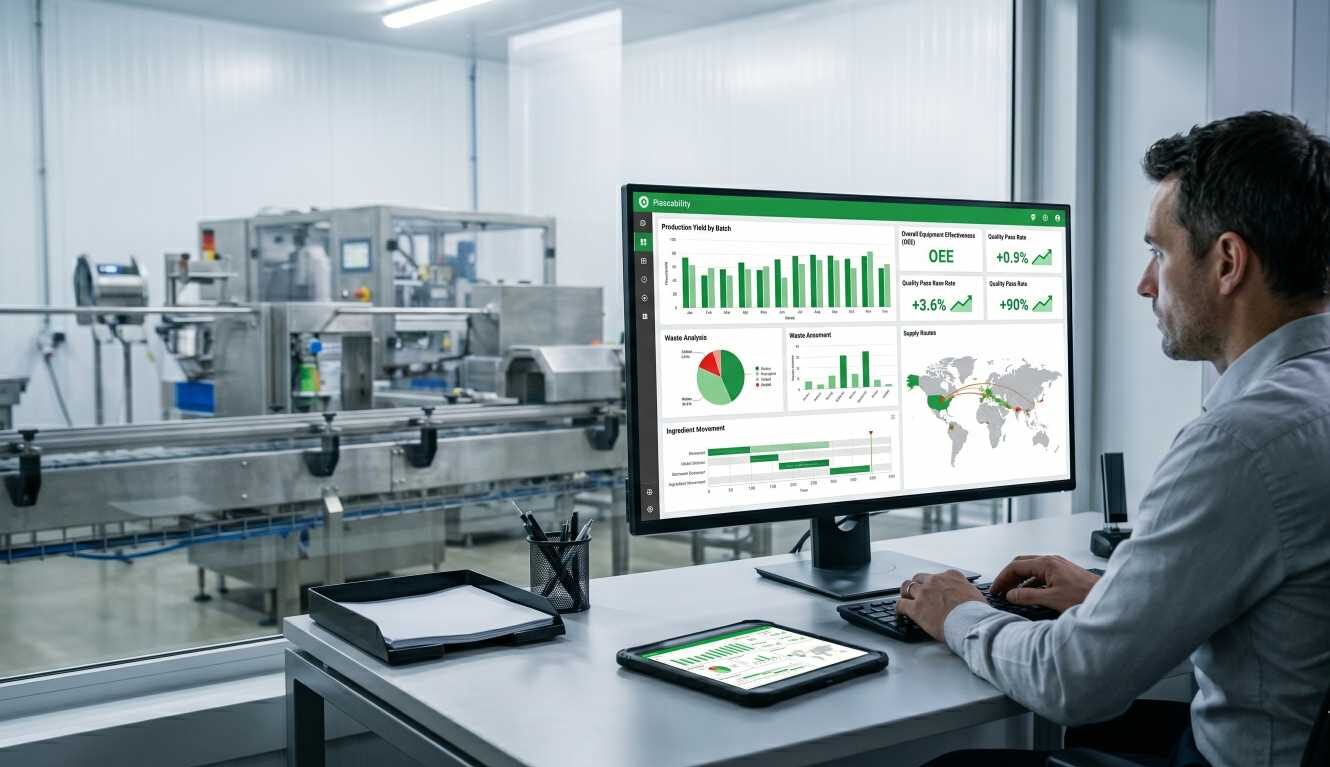
A properly implemented traceability system allows companies to gain full visibility over their production processes. This means being able to track each batch, identify issues quickly, and respond before problems escalate.
More importantly, traceability in food production enables businesses to:
- maintain consistent product qualit
- meet regulatory and customer requirements
- reduce production errors and waste
- improve overall process efficiency
Common implementation challenges
Despite its advantages, many traceability projects fail to deliver expected results. The most common issue is not the technology itself, but the way it is implemented within the production environment.
Companies often overlook the importance of aligning the system with real operational workflows.
Lack of clear implementation strategy
One of the biggest mistakes is starting a traceability project without clearly defined objectives. Without understanding what the system is supposed to achieve, companies end up with solutions that generate data but do not provide real value.
Whether the goal is compliance, quality control, or process optimization, the strategy must be defined from the beginning.
Systems that are too complex for daily use
Another common issue is overengineering. Systems that are too complicated quickly become a burden for operators.
If the system slows down production or requires excessive manual input, it will not be used effectively.
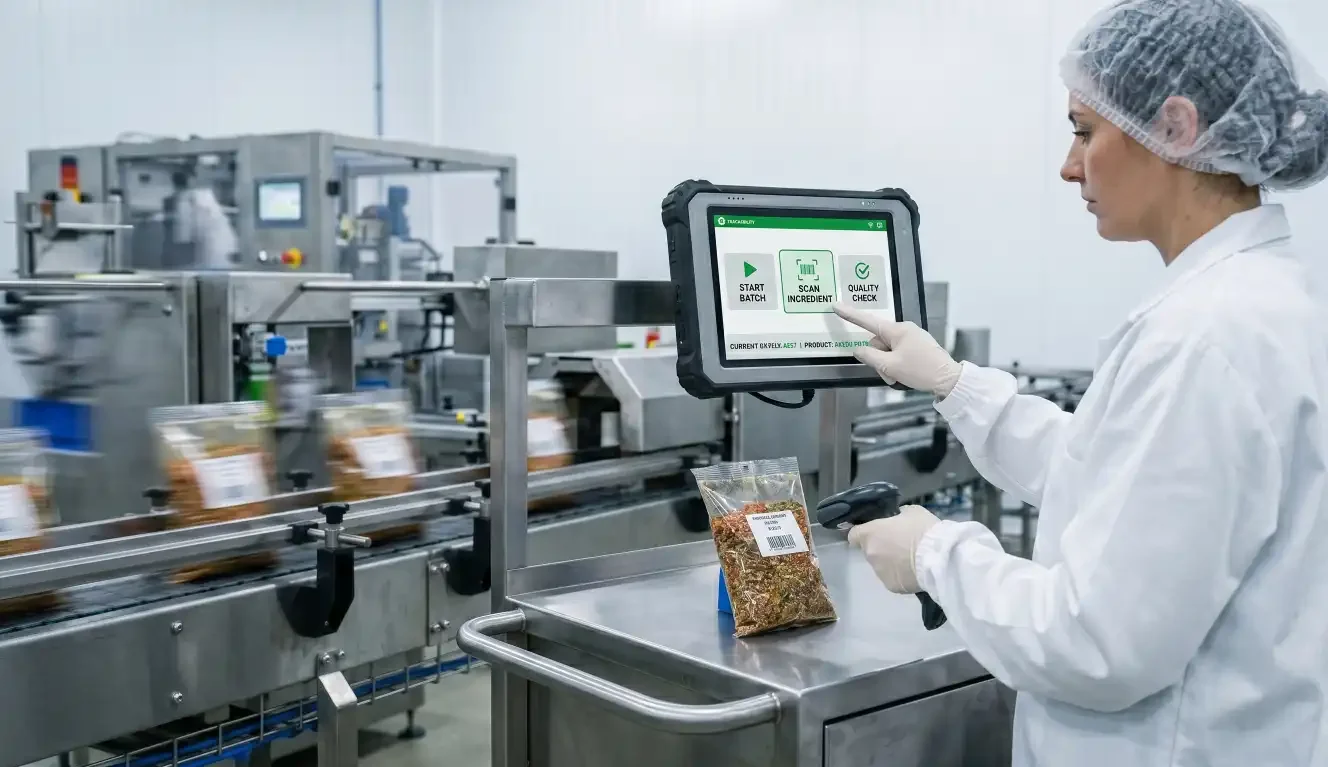
The best solutions are those that integrate seamlessly into daily operations and require minimal user interaction.
Poor integration with production processes
Traceability systems must work as part of the production environment, not alongside it.
Manual data entry, lack of automation, and disconnected systems lead to inaccurate data and reduced reliability.
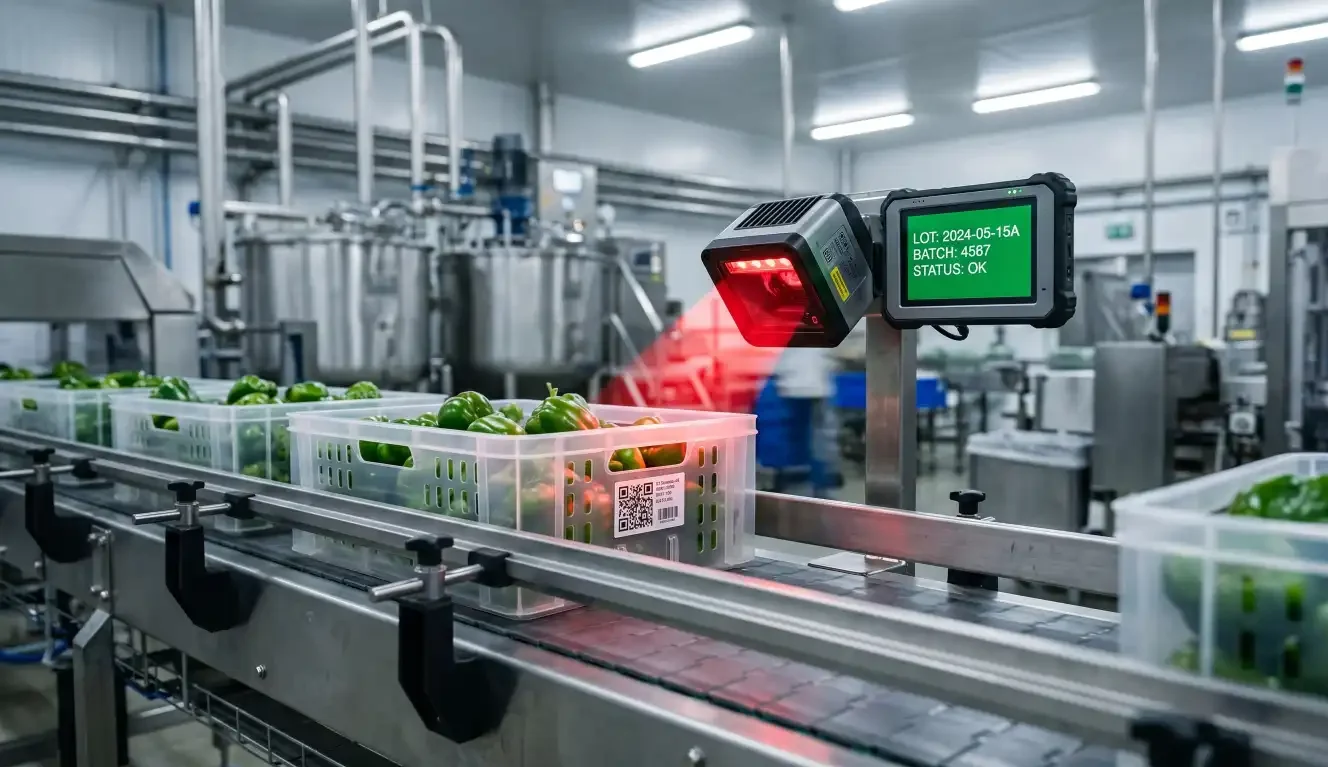
Modern traceability solutions rely on automation and real-time data collection directly from machines and production lines.
Traceability as a business advantage
Companies that approach traceability strategically gain more than compliance.
They gain a powerful tool for:
- identifying inefficiencies
- reducing operational costs
- improving production transparency
- building trust with clients and partners
When implemented correctly, traceability becomes a driver of profitability, not just a requirement.
Conclusion
Traceability is no longer optional in the food industry. The key to success lies not in the technology itself, but in how well it is adapted to the specific production environment.
A well-designed system provides control, clarity, and long-term business value.
Contact us
Looking to implement a traceability system tailored to your production?
Contact us to learn how we can help you gain full control over your processes.