Development differentiation
Clear smart home function as part of the standard or additional package.

Technology that strengthens the offer
We design repeatable residential automation packages that are easy to include in the documentation, construction schedule and sales offer.
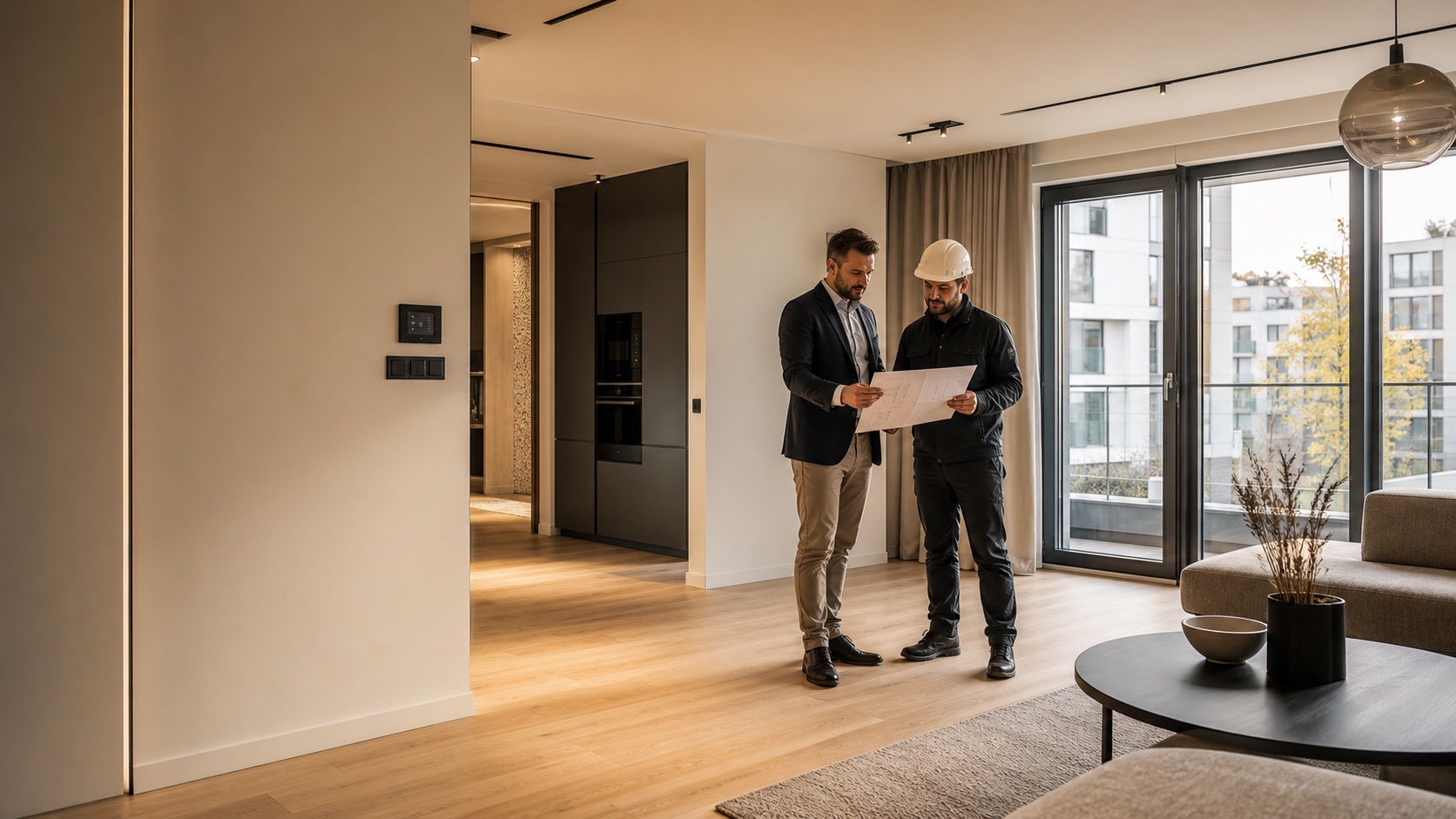
Technology as part of the development
We develop repeatable residential automation packages that can be clearly described in the premises standard, industry documentation and sales offer.
Consistent offer and execution
Building automation provides the greatest value when it is included early - in the electrical design, the standard of the premises and the buyer's selection process.
Clear smart home function as part of the standard or additional package.
One architecture, documentation and assembly method for many premises.
Clear extension variants limit accidental modifications on the construction site.
Arrangements for electrical, HVAC, blinds, alarm and access control.
A simple description of functions and variants understandable to the buyer of an apartment or house.
An agreed model for user training, reporting and subsequent expansion.
The offer is understandable to the customer
We develop functional variants that share the same technical base. The buyer can select the functions needed, and the construction team receives clear specifications.
Value for the investor and buyer
The real estate market is increasingly comparing not only the location and standard of finishing, but also the costs of use, safety and comfort. A well-designed smart home package can be a specific investment differentiator - provided that the customer understands its functions and knows who is responsible for support.
A functional element of the standard apartment instead of a purely decorative addition.
Comfort, safety and energy control visible during the presentation of the premises.
Materials describing real scenarios, without technical jargon and empty promises.
The additional package can build the value of the offer without accidentally lowering the price of the premises.
One specification for many premises makes it easier to control the scope and subsequent acceptances.
The buyer selects extensions within the limits of the previously prepared architecture.
A solution without a closed island
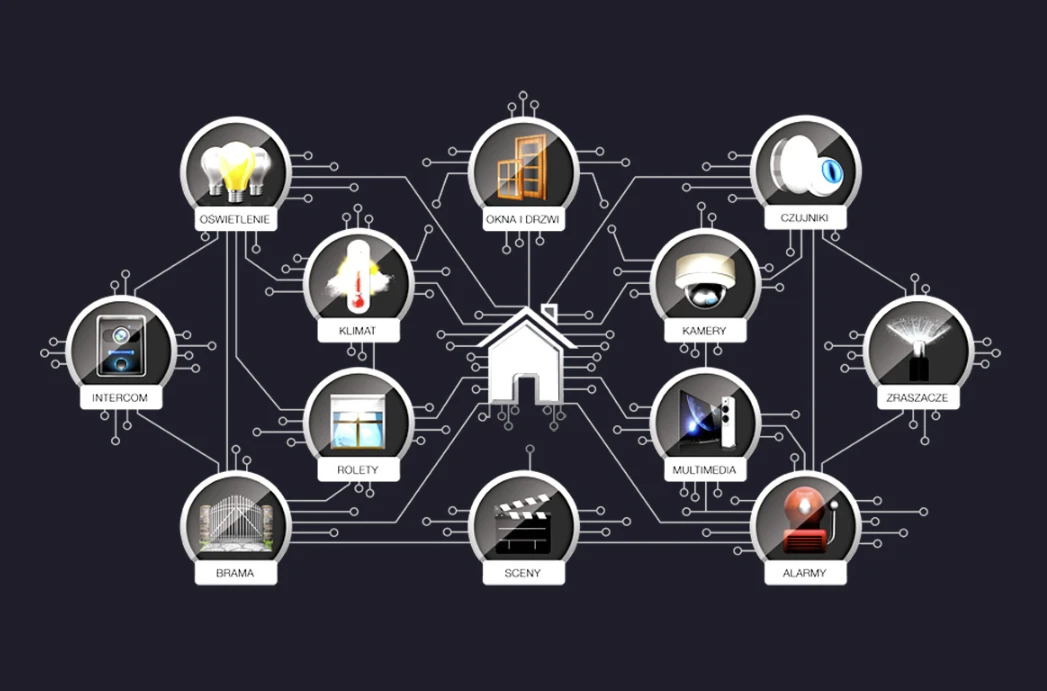
We design contact points with lighting, heating, roller blinds, alarm, video intercom, access control and selected external devices. We confirm the scope of compatibility for specific manufacturers before including the function in the premises standard.
This is also important after the sale. The buyer should know which elements can be expanded, who can change the configuration and what activities require the participation of the service. Organized documentation reduces misunderstandings between the developer, contractor and resident.
Device compatibility is confirmed before the investment standard is approved.
From package selection to use
The buyer receives a short list of features of the basic package and extensions. Instead of selecting individual modules from a catalog, it decides on the result: temperature control, blinds, lighting, security or energy control.
It is worth linking the date of selection and the rules for changes to the construction schedule. Thanks to this, the sales department knows by when it can accept the extension, and the contractor receives an approved specification before starting a given stage.
Before handing over the premises, we check the functions provided for in its configuration. The user learns basic scenes, manual control, the application and how to report a problem. The documentation also indicates elements that can be expanded later.
We agree on the service model with the investor: reports can be sent directly to SystemSmart or go through the developer's designated channel. A clear division of responsibility protects the relationship with the buyer and shortens the diagnosis.
Responsibility from design to handover
The scope may include design consultation, delivery and commissioning of systems or comprehensive coordination along with documentation for the premises.
Investment standard
Early determination of points, switchboards, routes and integrations reduces the number of changes and facilitates the acceptance of subsequent premises.
Functional assumptions and guidelines for industry documentation.
Schedule, assembly standard, tests and protocols.
Clear packages, training and an established support path.
Consistent industry scope
It is worth coordinating home automation with the electrical design before the works begin. This allows you to organize routes, switchboards, control points and contractors' responsibilities.
B2B process
We get to know the project, target group and sales model.
We define the base, extensions and rules for tenant changes.
We prepare guidelines and inter-industry agreements.
We carry out the work in stages according to the schedule.
We hand over the systems and launch the established service model.
FAQ
Preferably at the stage of an industry project, before performing electrical installations. This allows you to standardize the solution and limit subsequent changes.
Yes. We can develop a coherent basic package and extended variants, with a clear list of functions and a principle for pricing changes.
Yes. We agree on industry guidelines, points of contact and responsibility so that automation is part of a coherent construction process.
We establish the support, training and ticket handling model with the developer before deployment.